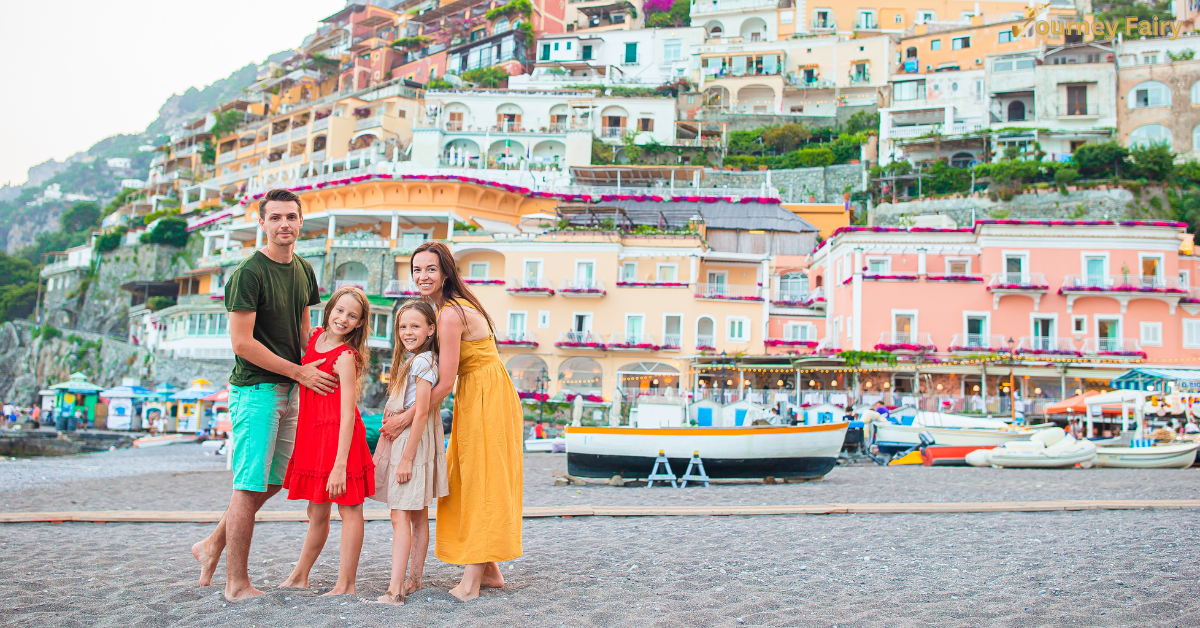
When was the last time your whole family hit the “pause” button together — no work emails, no Zoom calls, no school drop-offs? That’s exactly what a family holiday offers: a powerful chance to step out of the everyday grind and step into something memorable. Because more than just a trip, a family holiday is an experience that can bring you closer, give you stories to share, and a break that truly resets.
In our fast-moving, always-online world, carving out time to connect as a family isn’t just nice—it’s essential. With smartphones, streaming, remote work, and school blending into our homes, those screens can crowd out real connection. That’s why taking time off together matters more than ever. Let’s explore the many benefits of family holidays in 2026 — what they deliver, why they matter now, and how you can make the most of them with real, actionable tips.
1. Strengthening Family Bonds
1.1 Shared Experiences = Stronger Connections
Shared adventures aren’t just fun—they’re bonding. Whether you’re conquering a hiking trail, exploring a new city together, or just laughing over spilled ice cream, these memories are the glue that holds families together. Research shows that holiday experiences improve generic life skills in children by positively affecting parents’ well-being.
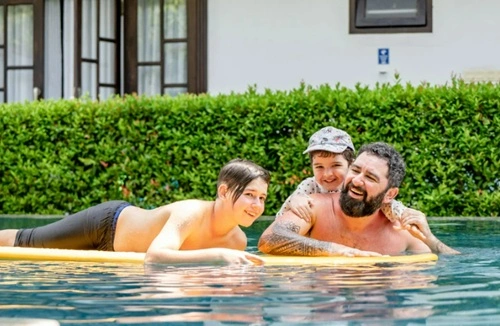
1.2 Emotional Connection Gets a Boost
What happens when you’re all in the same place, away from the daily routine? You tend to interact differently. You chat more, joke more, argue—but all that builds emotional depth. Studies indicate that when families travel together, they become more cohesive teams, better prepared to handle the ups and downs of life.
1.3 Better Communication and Empathy
Think of a holiday as a communication lab. With normal distractions gone, kids, parents, and siblings all have the chance to speak up, be heard, and listen. One survey found that children who travel with their families learn to share, negotiate, and communicate more effectively.
1.4 Tips for Bond-Building on Your Trip
-
Pick one “must-do” activity per family member: this gives everyone a voice.
-
Unplug for a block of time each day: e.g., ban phones for dinner or the last hour of the day.
-
Make a shared travel journal or scrapbook: have everyone add a sentence or photo each evening.
-
Introduce a mini-challenge: like explore a market, try a local snack, or take a family selfie in a weird spot. These little quirks become the best stories later.

2. Learning Beyond the Classroom
2.1 Culture, History & New Perspectives
A holiday gives you a classroom with no walls. Visiting a historic site, wandering a local neighborhood, or sampling unfamiliar cuisine opens eyes. The 2024 UK survey reported that family travel helps children become more comfortable around new people (44 %), more adventurous with food (48 %), and less isolated (58 %).
2.2 Nature, Science & Curiosity in Action
Holidays aren’t just about sights—they trigger curiosity. Think about spotting wildlife, hiking through a rainforest or visiting a planetarium on holiday: these moments fuel the “play and seeking” systems of the brain, boosting cognitive functions and creativity.
2.3 Life Skills That Last
From packing bags to navigating a foreign city, you pick up skills you don’t usually learn in school. Research has shown that the planning, budgeting, and adaptability required on trips help children become more self-reliant and confident.

2.4 Making the Most of the Learning
-
Turn it into a mini-project: e.g., before the trip, have kids research one local custom or term.
-
Keep a “travel Q&A” list: ask each other, “What made you curious today?” “What did we learn about people or culture tonight?”
-
Let kids lead one part of the day: choosing a meal, a museum, or a short outing.
-
Bring a travel challenge for grown-ups too: like trying a piece of local language or craft.
3. Health, Well-being & Mindfulness
3.1 Stress Relief and Mental Reset
Vacations work as a reset button. According to research, families returning from holiday often feel less stressed, more optimistic, and more capable of dealing with challenges.
For example, a study found skipping vacations consecutively can raise risks of cardiovascular issues; taking annual trips helped lower that risk in both men and women.

3.2 Movement, Nature & Physical Health
Getting outdoors—whether trekking, snorkeling, or just walking through new surroundings—keeps bodies moving in ways the everyday routine rarely does. Studies find this helps physical fitness, mental clarity, and simply feeling “alive.”
3.3 Digital Detox & Meaningful Downtime
Let’s be honest: we spend a lot of time looking at screens. Holidays offer a chance to step back, connect face-to-face, and enjoy the moment. That kind of mindful slowing makes a big difference in how we feel.
3.4 Well-being Tips for the Trip
-
Schedule “nothing” time: not every hour has to be filled. Let your mind wander.
-
Go for active downtime: morning yoga on the beach, evening stroll through a village.
-
Use tech mindfully: set a family “phone hour off” rule each day.
-
Breathe in the locals’ pace: let the environment dictate when you wake, eat, relax—not just your usual clock.
4. Nurturing Creativity & Imagination
4.1 New Environments, New Ideas
Nothing stimulates creativity like being somewhere different. New sights, sounds, smells—all feed the imagination. One study noted that children’s “play and seeking” brain systems get activated on holiday in ways home routines rarely allow.
4.2 Expressing Through Arts, Crafts, Journals
Many destinations offer local arts & crafts, story-making, photography spots or journaling opportunities. These experiences help both kids and adults express themselves, remember the trip differently, and come away with more than just photos.
4.3 Spark the Imagination
-
Bring a small sketchbook or travel journal for each person.
-
Challenge: “Find something here you’ve never seen before, draw it, write about it.”
-
Each evening, ask: “What surprised me today?” “What would I do differently if I returned?”
-
Collect found objects (shells, small fabrics, tickets) and make a post-trip collage.
5. Developing Decision-Making & Responsibility
5.1 Problem Solving On The Go
From missed flights to itinerary changes, travel brings surprises—and those become opportunities. When your family works together to deal with an unexpected shift, you’re building resilience and decision-making skills that last long beyond the holiday.
5.2 Budgeting & Financial Literacy
Travel planning isn’t just fun—it’s a micro-economy. Setting budgets, choosing what to spend on (souvenirs? local meals? experiences?), and making trade-offs teach kids practical money skills early.
5.3 Real-Life Tips for Responsibility
-
Give each child a “travel wallet” with part of the budget for one activity.
-
Let them pick a “meal out” decision: reading menus, choosing price-range.
-
When things go wrong (traffic, delay), pause together: “What’s our backup?” — and learn from it.
-
Post-trip: review the budget vs what you spent; talk about what you might do next time.
6. Cultivating Lifelong Memories & Identity
6.1 Memories As Emotional Anchors
Research shows that people often look back on family holidays as the happiest memories of childhood—and these memories act as anchors when life gets busy or difficult.
6.2 Building Family Identity & Traditions
When families vacation together, they’re not just making a trip—they’re building shared language, jokes, rituals, memories. Over time, this becomes part of your family’s identity. As one therapist puts it, traditions provide stability, identity, and emotional well-being.
6.3 Multi-Generational Travel: Bridging Layers
Today’s family holidays often include grandparents, cousins, or extended family. This multigenerational approach strengthens bonds across age gaps and enriches everyone. A recent study noted that such trips elevate intergenerational communication and mutual respect.
6.4 Tips for Meaningful Memories
-
At the end of each holiday, create a “memory box” or digital folder with each person’s favorite moment.
-
Design a simple family tradition you can repeat each year: e.g., climb the hill at sunset, pick a song “holiday anthem,” or buy a unique local ornament.
-
Encourage storytelling: ask children to tell a friend what their favorite part of the trip was and why.
-
Take “before and after” photos each year at a chosen spot: growth, change, and memories captured.
Adaptation & Modern Realities of Family Holidays
The Digital Age & Travel
In 2025, family holidays face new dynamics: we’re always connected, remote work is common, and travel budgets vary more widely. Families may be split across countries (for you, Kris S !) and yet the holiday remains a key touch-point. Adapting means setting boundaries (work vs play), managing screen time and choosing destinations that accommodate remote elements if needed.
Budgeting & Travel Accessibility
While cost is still a barrier for many families, research shows that even modest, closer-to-home breaks can deliver many of the same benefits. Planning early, using off-season travel, staying in alternative lodging options (Airbnb, family hostels) all help.
Travel with Blended Generations
Families are increasingly blending parents, grandparents, and kids on trips. When done well, this can amplify benefits (shared stories, broader perspectives). Tip: design a mix of activities so each generation has “their moment” and together moments.
Mindful, Responsible Travel
In 2025, there’s a higher awareness of sustainability. Choose destinations witha local focus, teach kids about local culture and environment, and incorporate responsible travel choices (eco-friendly transport, local guides). Not only is this good practice, it becomes part of the learning experience.
Planning a Memorable Family Holiday: 10-Step Quick Guide
-
Agree on the “why”: Why are we going? Bonding, culture, adventure, rest?
-
Set a realistic budget and timeframe: Consider travel costs, accommodation, food, activities.
-
Pick a destination with something for everyone: balance kid-friendly + adult interest.
-
Involve everyone: each person gets to pick one activity or part of the plan.
-
Build a loose itinerary: include main highlights + downtime.
-
Designate tech-free time each day: e.g., phones off after 8pm or during one meal.
-
Pack for flexibility: unexpected weather, delays, change of plan = normal.
-
Prepare kids (and grown-ups!) for cultural differences: simple language phrases, customs, food choices.
-
Keep memories alive: capture photos, let each person document one thing each day.
-
Have a “post-holiday debrief”: talk about what you loved, what surprised you, and what you’ll do next time.
Conclusion
Family holidays aren’t just “nice to have” extras—they’re powerful opportunities to invest in your relationships, wellbeing, and shared story. In today’s world of competing demands, they offer a space where the family can step away, reconnect, lear,n and grow together. From strengthening emotional bonds and creating lifelong memories to honing life skills, boosting well-being, and sparking creativity, the benefits are wide-ranging and deeply meaningful.
As 2025 rolls on and family life juggles between homes, jobs, screens, and global connections, remember: the greatest return on travel isn’t just what you see—it’s how you feel, grow, and belong together. Make your next holiday count by being intentional, inclusive, flexible, and open to the magic of shared experience. You’ll return not just rested, but richer in connection and memory.